It’s time to move beyond professional cleaning.
For decades, prevention has been an essential part of dentistry. We know that plaque is the primary cause of many oral diseases, and we dedicate a great deal of time to removing it and encouraging patients to improve their oral hygiene.
Yet despite all our knowledge, gingival inflammation remains one of the most common conditions worldwide.
Why?
Because knowledge alone does not change behaviour.
As dental professionals, we often focus on what we do during the appointment. But perhaps the more important question is:
What happens after the patient leaves the practice?
Prevention is more than plaque removal
Many patients brush their teeth every day. They genuinely want to look after their oral health.
However, when it comes to cleaning the interdental spaces, many people either do nothing or use the wrong tool, the wrong size or the wrong technique.
The result is predictable.
Inflammation persists, even in motivated patients.
This is not a failure of the patient.
It is a reminder that prevention is not only about professional care. It is also about developing practical skills and lasting habits.
Oral self-care training is treatment
One of the biggest shifts in my own professional journey came when I stopped seeing oral self-care instruction as something that happened after treatment.
Instead, I began to see it as treatment itself.
When patients learn the right skills, understand why they matter and feel confident applying them at home, they become active partners in maintaining their own oral health.
That changes everything.
Turning prevention into practice
Throughout my career, I have worked in clinical practice, international education and prevention implementation.
Across different countries, healthcare systems and cultures, I have observed something remarkably consistent.
Most professionals already believe in prevention.
The challenge is not motivation.
The challenge is implementation.
How do we integrate prevention consistently into everyday practice?
How do we create workflows that support both professionals and patients?
How do we make prevention something patients truly experience rather than simply hear about?
These questions led me to create Rethinking Prevention™.
A different way of thinking
Rethinking Prevention is not about replacing existing knowledge.
It is about building on it.
It is about moving beyond professional cleaning and recognising that prevention is a continuous process involving communication, behaviour change, clinical structure and partnership with the patient.
When prevention becomes visible, valued and successful, everyone benefits.
Patients experience better oral health.
Professionals experience greater fulfilment.
Practices build stronger prevention cultures.
Looking ahead
I believe the future of dentistry will not be defined only by new technologies or new materials.
It will be defined by how successfully we help people build the skills and habits that support lifelong oral health.
Perhaps it is time to rethink prevention.
About the author
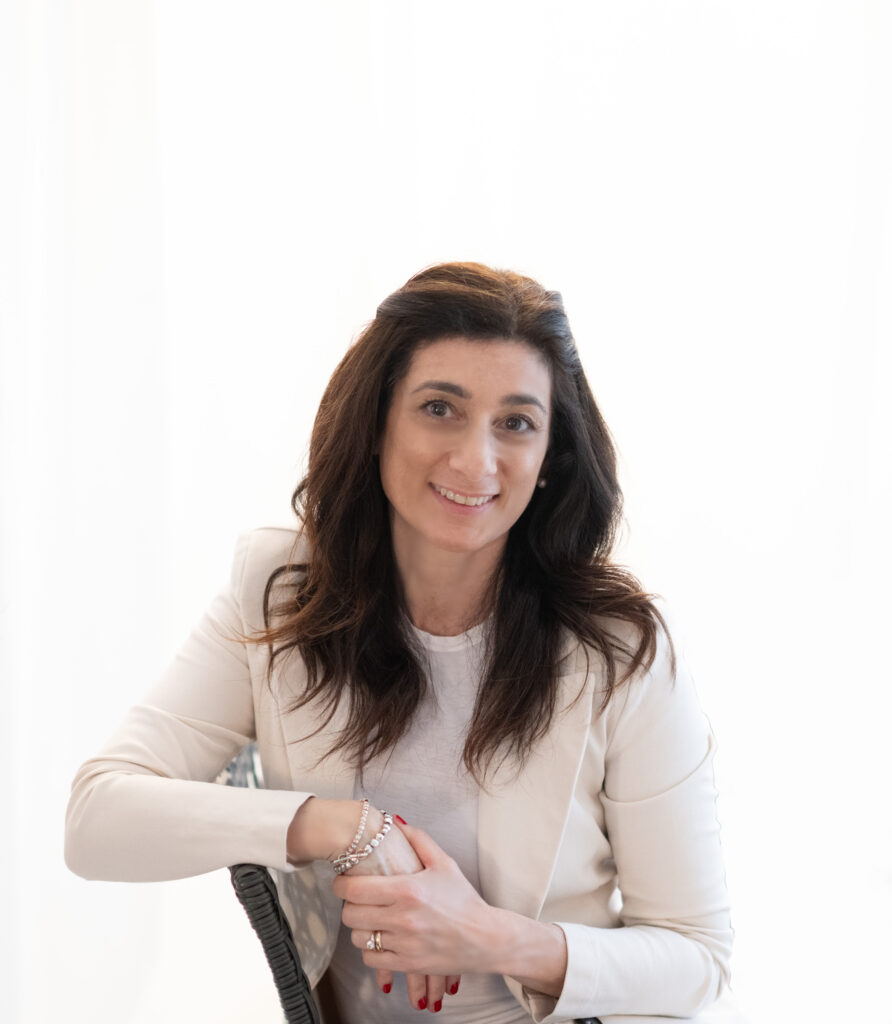
Sabina Floridia is a dental hygienist, Global iMGi Project Manager at Curaden AG, international speaker and founder of Rethinking Prevention™, helping dental professionals and clinics make prevention visible, valued and successful.